Welcome to the intersection of high-end culinary art and home kitchen accessibility with our signature fashionstation eggplant dish. This recipe isn’t just a meal; it’s a visual and sensory experience designed to bring the aesthetic of a professional editorial shoot directly to your dining table.
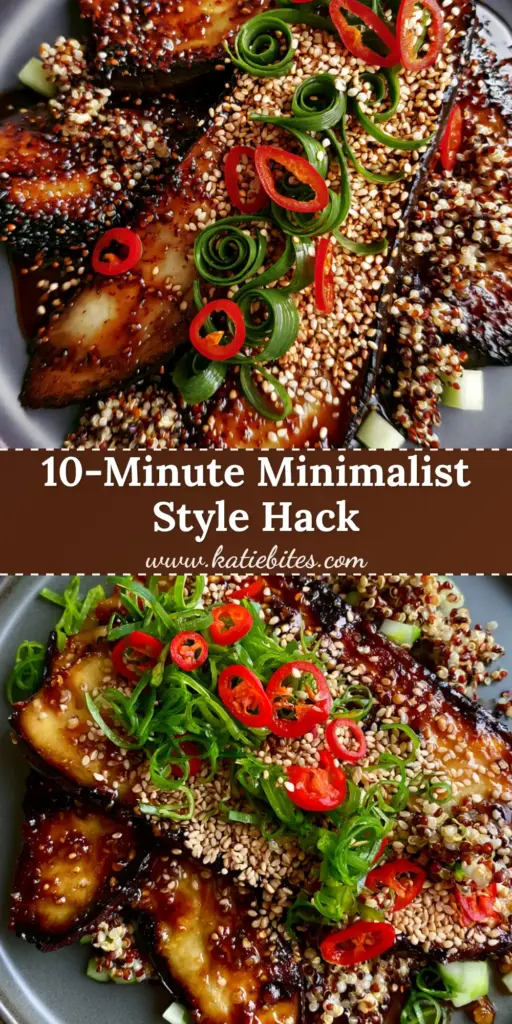
When we look at the fashionstation of modern plating, few things are as striking as the contrast between deep, charred caramelization and vibrant, fresh garnishes. This dish features slender Japanese eggplants that have been seared to a creamy perfection and draped in a glaze so glossy it reflects the light of your dining room.
Whether you are hosting a dinner party or simply want to elevate your weeknight routine, this fashionstation recipe delivers on every level. We are combining the deep umami of a garlic-soy reduction with the structural crunch of tri-color quinoa and the cooling snap of English cucumbers.
Why This Fashionstation Dish Is a Total Game Changer
- Textural Masterclass: Experience the “shatter” of charred edges, the “silky” interior of the eggplant, and the “pop” of toasted quinoa in every single bite.
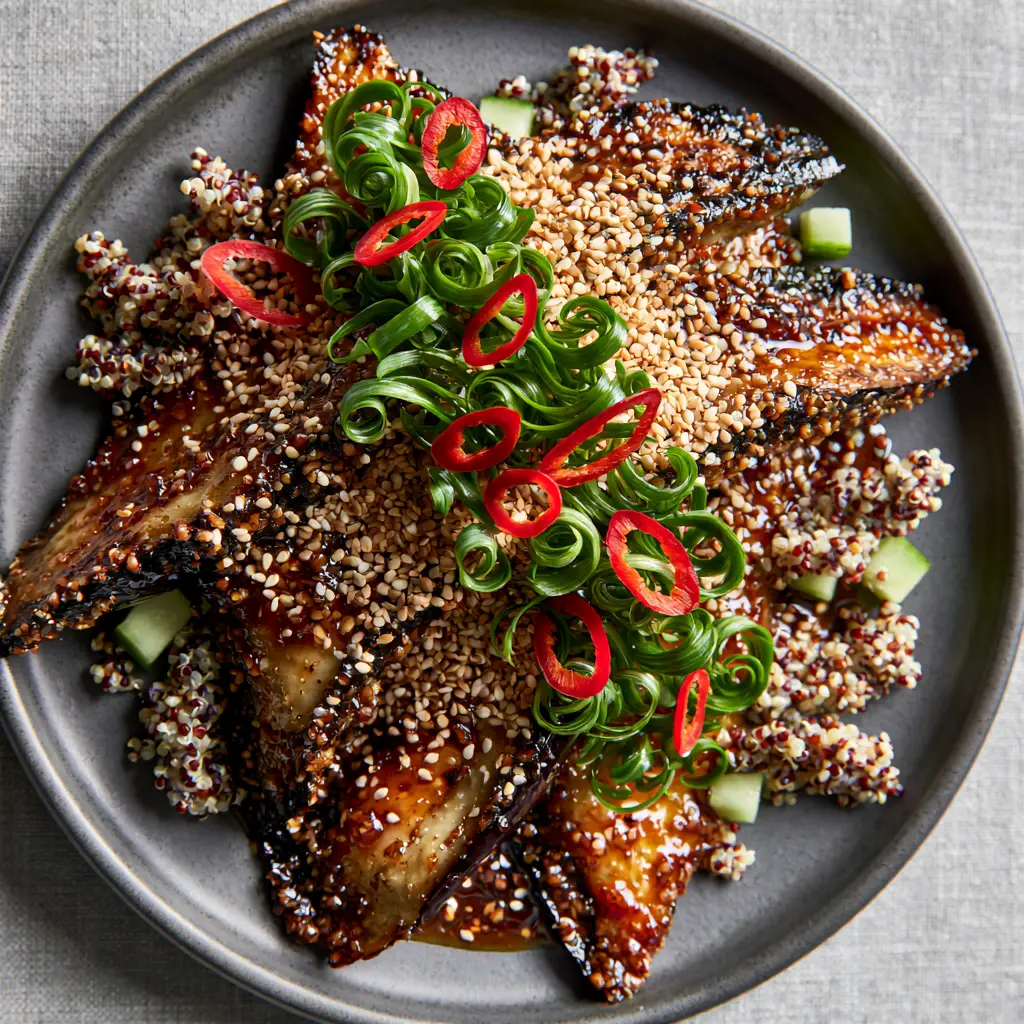
- Visual Editorial Quality: Plated on matte charcoal ceramic, the dark amber glaze and bright red bird’s eye chilis create a professional-grade presentation.
- Umami Bomb: The thick, glossy garlic soy glaze acts as a flavor anchor, pulling together the earthy quinoa and the fresh, crisp cucumber.
- Nutrient Dense: Utilizing tri-color quinoa as a base ensures a protein-rich, gluten-free foundation that keeps you satisfied without feeling heavy.
The Essential Components for a Perfect Fashionstation Plate
To achieve the specific results seen in professional culinary photography, every ingredient serves a dual purpose: flavor and architecture. Here is what you will need for this fashionstation masterpiece.
Japanese Eggplant: Unlike the larger Globe variety, these are slender with thin skins and fewer seeds, making them ideal for achieving that specific creamy center. You will need 3 large (approx. 450g) eggplants cut into thick diagonal slices.
Neutral Searing Oil: Use 3 tbsp (45ml) of grapeseed or avocado oil. These have high smoke points, allowing you to achieve those charred, caramelized edges without the oil breaking down and becoming bitter.
Tri-Color Quinoa: 1 cup (185g) of dry quinoa provides the “scattered cluster” effect. The white, red, and black grains offer varied textures and a beautiful earthy contrast to the dark plate.
The Glossy Glaze: A combination of 1/4 cup (60ml) soy sauce, 2 tbsp (30ml) mirin, and 1 tbsp (15g) brown sugar. This creates the dark amber, light-catching finish essential for the fashionstation aesthetic.
Bird’s Eye Chilis: 2 small chilis, sliced into paper-thin rings. These provide “pops” of vibrant red and a sharp, clean heat that cuts through the richness of the soy glaze.
English Cucumber: 1/2 cup (75g) of finely diced, deseeded cucumber. By removing the seeds, we ensure the dish stays crisp and avoids any excess moisture on the charcoal plating.
Aromatic Garnishes: You will need 2-3 scallions, cut on a sharp bias and soaked in ice water to create those signature “curly” shapes. A dense dusting of 1 tbsp (9g) toasted white sesame seeds adds the final professional touch.
Must-Have Equipment for Editorial-Style Plating
To recreate the fashionstation look exactly, you need the right tools for precision. A heavy-bottomed cast iron or carbon steel skillet is non-negotiable for achieving deep caramelization on the eggplant surfaces.
A very sharp chef’s knife or mandoline is required for the “paper-thin” chili rings and the precise “bias-cut” scallions. For the plating, a minimalist matte charcoal ceramic plate provides the necessary color contrast to make the glossy amber glaze stand out.
Mastering the Sear: Step-by-Step Fashionstation Instructions
Phase 1: Preparing the Foundation and Garnishes
Start by rinsing your 1 cup (185g) of tri-color quinoa under cold water. Combine with 2 cups (480ml) of water and a pinch of salt; bring to a boil, then simmer for 15 minutes until the “tails” pop and the water is absorbed.
While the quinoa cooks, prepare your “curly” scallions. Slice them on a very steep diagonal (bias), then immediately submerge the slivers in a bowl of ice water for 10 minutes; they will curl naturally into the shapes required for our fashionstation visual.
Phase 2: Achieving the Perfect Eggplant Texture
Slice your Japanese eggplant into thick, 1-inch (2.5cm) diagonal rounds. Lightly score the cut faces in a crosshatch pattern; this allows the glaze to penetrate deep into the center while creating more surface area for charring.
Heat 3 tbsp (45ml) of oil in your skillet over medium-high heat. Place the eggplant slices in a single layer and sear for 4-5 minutes per side. Look for a deep, dark golden-brown crust and a visible softening of the flesh.
Phase 3: The Glossy Glaze Reduction
In a small bowl, whisk together the soy sauce, mirin, brown sugar, and 2 cloves of minced garlic. Once the eggplant is tender, pour the mixture directly into the hot pan.
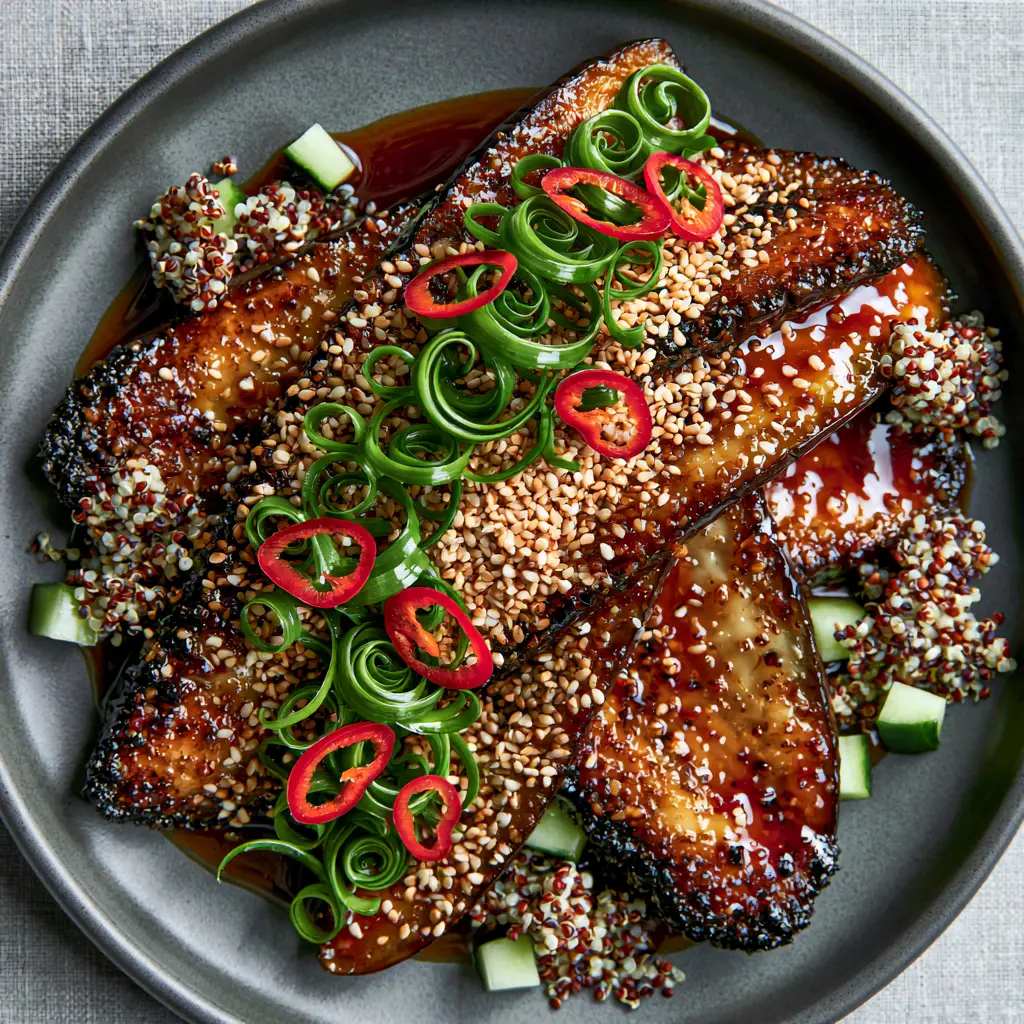
The liquid will bubble vigorously. Continue to cook for 2-3 minutes, flipping the eggplant gently, until the sauce reduces into a thick, glossy, dark amber syrup that coats every piece like a lacquer.
Expert Tips for Fashionstation Success
- The Ice Bath Trick: Never skip soaking the scallions in ice water. This is the only way to get the architectural “curly” look seen in the fashionstation blueprint.
- Don’t Crowd the Pan: Sear the eggplant in batches if necessary. Overcrowding creates steam, which leads to mushy eggplant instead of charred, caramelized edges.
- Deseeding the Cucumber: Use a small spoon to scrape the seeds out of the cucumber before dicing. This ensures the “crunchy clusters” stay dry and distinct on the plate.
- Toasting the Seeds: Even if your sesame seeds are pre-toasted, a quick 30-second toss in a dry pan will release the oils and improve the fragrance significantly.
Storage, Reheating, and Make-Ahead Advice
This fashionstation dish is best served immediately to preserve the contrast between the hot, glazed eggplant and the cold, crisp cucumber. However, you can prepare the quinoa up to 3 days in advance and store it in an airtight container.
If you have leftovers, store the eggplant and quinoa separately. Reheat the eggplant in a toaster oven or skillet to regain some of the texture. The garnish (scallions, chili, cucumber) should always be added fresh just before serving.
How to Pair Your Pan-Seared Eggplant
This dish is a powerhouse of flavor on its own, but it pairs beautifully with other vibrant textures. For a complete meal, consider serving it alongside a coconut chicken rice bowl for added protein and tropical flair.
If you are leaning into a summer theme, the charred notes of the eggplant complement a Mexican watermelon salad perfectly. The heat of the bird’s eye chili in our fashionstation recipe is balanced beautifully by the cooling fruit.
For those looking for a fusion-style spread, this eggplant makes a surprising and delicious side dish for a Caprese pasta salad, where the soy umami meets the acidity of fresh tomatoes.
Frequently Asked Questions
Yes, but tri-color quinoa is recommended for its varied texture and the ‘scattered’ visual aesthetic that contrasts beautifully against the matte charcoal plating.
The secret is a sharp bias cut and an immediate ice water bath. The cold temperature shocks the fibers of the scallion, causing them to twist and curl within 10 minutes.
While it provides the vibrant red visual pop seen in the fashionstation blueprint, you can deseed it to reduce heat or substitute with red bell pepper if you prefer a completely mild dish.
Japanese eggplants are longer and more slender with thinner skin and fewer seeds. This allows them to cook faster and achieve a much creamier texture when seared compared to the larger, more bitter Globe variety.
Eggplants act like sponges. To prevent this, ensure your pan and oil are fully heated before adding the eggplant. Scoring the surface also helps the heat penetrate faster, reducing the time the eggplant sits in the oil.
The Fashionstation Pan-Seared Japanese Eggplant Recipe
Fashionstation: The Ultimate Pan-Seared Garlic Soy Japanese Eggplant
Ingredients
Equipment
Method
- Rinse 1 cup tri-color quinoa. Combine with 2 cups water and a pinch of salt. Bring to a boil, cover, and simmer for 15 minutes. Fluff with a fork and set aside.
- Cut scallions on a sharp bias. Submerge in a bowl of ice water for 10 minutes until they curl into decorative shapes.
- Heat oil in a skillet over medium-high. Add eggplant slices in a single layer. Sear for 4-5 minutes per side until charred and the center is creamy.
- Add soy sauce, mirin, sugar, and garlic to the pan. Cook for 2-3 minutes, tossing the eggplant until the sauce is thick, dark amber, and glossy.
- On a matte charcoal plate, layer the quinoa. Top with the glazed eggplant. Scatter cucumber cubes, chili rings, and curly scallions. Finish with a dense dusting of sesame seeds.
Notes
Deseeding the cucumber is vital to prevent the dish from becoming watery on the plate.
Closing the Kitchen: Join the Fashionstation Community
We hope this fashionstation recipe inspires you to look at your dinner plate as a canvas. The combination of technique and high-quality ingredients creates a meal that is as satisfying to the palate as it is to the eyes.
If you enjoyed this recipe, please leave a comment below and tell us how your caramelization turned out! Don’t forget to follow us on Pinterest for more editorial-grade culinary inspiration and share your creations with the community.